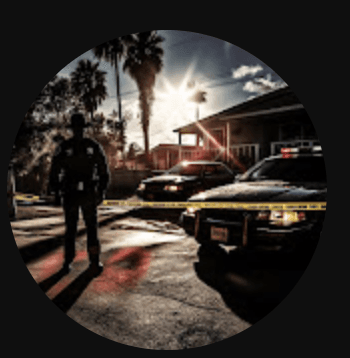
Miami Cocaine Cowboys: The Rise and Fall of a Drug Empire
The 1980s saw Miami become the epicenter of a massive cocaine smuggling operation known as the Cocaine Cowboys, a saga of wealth, violence, and eventual federal takedown that transformed the city’s image.
In the early 1980s, Miami’s sun‑kissed streets became the backdrop for one of the most notorious drug operations in U.S. history, the Cocaine Cowboys empire that flooded the city with billions of dollars in illicit wealth. The surge of cocaine transformed neighborhoods, law enforcement, and popular culture.
The Birth of the Cocaine Empire in Miami‑Dade County
Colombian cartels, led by the Medellín and Cali groups, partnered with local traffickers like Alberto "Ace" Bravo and **Jorge "El Tigre" Ramos. They used Miami’s bustling port and proximity to the Caribbean to ship cocaine in concealed cargo containers, quickly turning Miami‑Dade into a hub for the trade.
Violence, Money Laundering, and the Nightlife Boom
The influx of cash spawned a wave of gang‑related violence, with turf wars erupting in Little Havana and Overtown. Nightclubs such as the infamous Club 9 became laundering fronts, where millions were washed through high‑stakes gambling and real‑estate deals. Federal agents noted a 250% rise in homicide rates between 1984 and 1986.
Federal Crackdown and the Fall of the Cowboys
The DEA launched Operation Paradise, a coordinated effort that culminated in the 1986 arrest of Bravo and Ramos. Their convictions relied on wiretap recordings and testimony from former cartel enforcers. By 1990, the major players were incarcerated, and Miami’s reputation began to recover.
Cultural Legacy and Media Portrayal
The Cocaine Cowboys saga inspired books, documentaries, and the 2021 Netflix series “Cocaine Cowboys: The Kings of Miami.” Scholars credit the era with influencing Miami’s modern skyline, as illicit money funded luxury condos and hotels that still dominate the skyline.
"The cocaine trade reshaped Miami’s economy and culture, leaving a legacy that still echoes in the city’s streets," noted criminologist Dr. Laura Perez in a 2019 study.
Key Facts
- Location: Miami, Miami‑Dade County
- Crime Type: Drug Trafficking (organized crime)
- Key Figures: Alberto "Ace" Bravo, Jorge "El Tigre" Ramos
- Operation Start: 1982
- Federal Takedown: 1986 (Operation Paradise)
- Current Status: Convicted leaders serving life sentences; case closed
Looking Forward: Miami’s Ongoing Battle Against Trafficking
While the Cocaine Cowboys era ended, Miami remains a strategic entry point for narcotics. Modern law‑enforcement initiatives focus on synthetic drugs, yet the city’s experience serves as a cautionary tale. Continued community investment and international cooperation aim to prevent a repeat of the 1980s chaos.
This article was generated by AI from publicly reported news sources. Details may be incomplete or subject to change as investigations develop. All individuals are presumed innocent until proven guilty in a court of law. Sources: Miami Herald, DEA Press Releases.