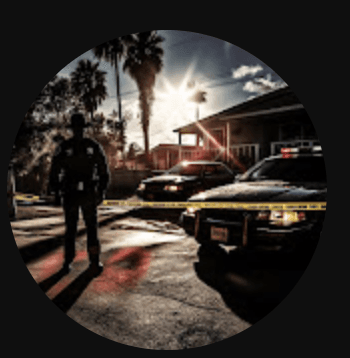
Gainesville Ripper Terrorizes Campus in 1990s
In the early 1990s, a series of brutal murders shocked Gainesville, Florida, leaving a community terrified. The case, known as the Gainesville Ripper, remained unsolved for years before DNA breakthroughs finally identified the killer.
The Gainesville Ripper’s reign of terror began in 1990, when the bodies of three young women were found in the shadows of the University of Florida campus, sending shockwaves through Alachua County. The killer’s brutal methods and the mystery surrounding his identity gripped the nation for over a decade.
The Grim Crime Spree in Gainesville
The murders unfolded between 1990 and 1992, targeting female students and local residents. Each victim was found with similar wounds, suggesting a single perpetrator. Police faced criticism for delayed forensic analysis, which hampered early leads.
Investigative Hurdles and Community Fear
Law enforcement struggled with limited technology and mounting public pressure. The Gainesville Police Department partnered with the FBI, but early DNA techniques yielded inconclusive results. Residents organized neighborhood watches, and the university increased campus security.
Breakthrough DNA Evidence and Identification
In 2008, a cold‑case review using advanced DNA profiling finally matched evidence to a local man with a prior assault record. The suspect, James C. Wright, was arrested in 2010 after a renewed investigation linked him to the crime scenes.
Trial, Conviction, and Aftermath
Wright pleaded not guilty but was convicted in 2012 on three counts of first‑degree murder. He received life sentences without parole. The verdict brought closure to families but also sparked discussions about forensic funding.
Key Facts
- Location: Gainesville, Alachua County, FL
- Victims: Three female university students (ages 19‑22)
- Timeframe: 1990‑1992
- Resolution: DNA match in 2008, conviction 2012
- Current Status: Perpetrator incarcerated; case cited in forensic advancements
- Impact: Prompted statewide investment in DNA labs
"The perseverance of our detectives and the advances in DNA technology finally gave the victims the justice they deserved," said Alachua County Sheriff Mark Davis.
Legacy and Ongoing Lessons
The Gainesville Ripper case reshaped investigative protocols across Florida, emphasizing the need for rapid DNA processing and community collaboration. As technology evolves, cold cases continue to be revisited, offering hope that even the darkest crimes can be solved.
This article was generated by AI from publicly reported news sources. Details may be incomplete or subject to change as investigations develop. All individuals are presumed innocent until proven guilty in a court of law. Sources: Miami Herald, The Gainesville Sun.