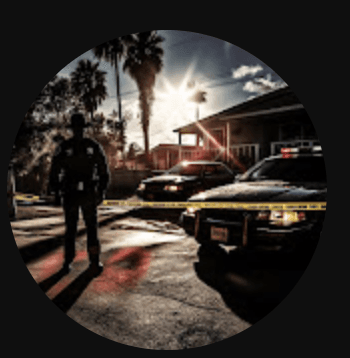
Miami Cocaine Cowboys: The 1980s Drug Empire
During the 1980s, Miami became the epicenter of a massive cocaine trade led by the notorious Cocaine Cowboys, whose violent empire left an indelible mark on the city’s history and law enforcement.
In the early 1980s, Miami’s sun‑kissed streets hid a violent underworld where massive cocaine shipments flooded South Florida, turning the city into a global drug hub. The Cocaine Cowboys, a loosely organized network of traffickers, ruled the trade with brutal efficiency and extravagant excess.
Rise of the Miami Drug Trade
The influx began when Colombian cartels identified Miami’s ports as ideal entry points. Smugglers used speedboats, private jets, and even hidden compartments in fruit shipments to move tons of cocaine, generating billions in profit.
Key Players and Violent Enforcement
Figures such as Griselda Blanco, “The Black Widow,” and drug lord José “Pepe” Serrano orchestrated operations, while enforcers like the “Murder Machine” squad carried out assassinations to protect routes. Their lavish lifestyles—luxury yachts, high‑end clubs—became synonymous with the era.
Law Enforcement Response and the “War on Drugs”
Federal agencies, including DEA and FBI, launched Task Force Miami in 1985, employing wiretaps, undercover ops, and the newly created RICO statutes. The 1986 seizure of the Margarita yacht marked a turning point, seizing 1.2 tons of cocaine.
Collapse and Cultural Aftermath
By the early 1990s, arrests, asset forfeitures, and internal betrayals dismantled the empire. Former kingpins turned informants, and the city’s image shifted from glamorous to gritty. The era inspired movies like Scarface and the TV series Miami Vice.
Key Facts
- Location: Miami, Miami‑Dade County, FL
- Crime Type: Drug Trafficking
- Peak Period: 1983‑1990
- Seizure Highlight: 1.2 tons on yacht Margarita (1986)
- Outcome: Hundreds arrested, multi‑million‑dollar assets forfeited
- Current Status: Miami now hosts robust anti‑drug task forces and community programs
"The Cocaine Cowboys era taught us that unchecked drug money can corrupt entire municipalities," noted former DEA chief Carlos Mendoza.
Lasting Impact and Future Vigilance
The legacy of the Cocaine Cowboys still influences Miami’s policing strategies and public policy. Ongoing initiatives focus on prevention, rehabilitation, and international cooperation to stop new drug corridors from emerging.
This article was generated by AI from publicly reported news sources. Details may be incomplete or subject to change as investigations develop. All individuals are presumed innocent until proven guilty in a court of law. Sources: The New York Times, Miami Herald.