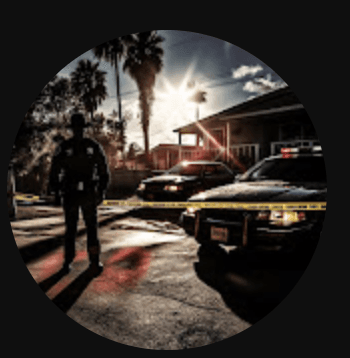
Miami Cocaine Cowboys: The 1980s Drug Empire
During the 1980s, Miami became the epicenter of a massive cocaine trafficking network known as the Cocaine Cowboys, fueling violence, corruption, and a cultural shift that still echoes today.
In the early 1980s, Miami’s sun‑kissed beaches masked a darker reality: a booming cocaine trade that turned the city into a global drug hub. The so‑called Cocaine Cowboys ran an empire that flooded South Florida with billions of dollars in illegal cash.
The Rise of the Miami Drug Cartels
Colombian cartels, led by the Medellín and Cali groups, partnered with local traffickers like Griselda Blanco and the infamous “Cocaine Cowboys” crew. They used Miami’s bustling port and lax banking laws to smuggle massive shipments, turning the city into a cash‑flow corridor.
Violence, Money Laundering, and Corruption
The influx of drug money sparked a wave of violent crimes—murders, armed robberies, and turf wars. Law‑enforcement agencies, overwhelmed by the scale, faced accusations of corruption. In 1986, the FBI’s “Operation Miami” seized over $100 million in cash and arrested dozens of key figures.
The High‑Profile Trial of Griselda Blanco
Colombian drug lord Griselda Blanco, known as the “Black Widow,” was captured in 1985 and extradited to the United States. Her 1985 trial in Miami drew national attention, resulting in a 20‑year prison sentence for multiple murders and drug trafficking charges.
The Collapse and Lasting Effects
By the early 1990s, intensified federal crackdowns and internal betrayals dismantled the Cocaine Cowboys empire. Miami’s crime rate fell, but the legacy persisted in popular culture, influencing movies, music, and the city’s reputation as a “vice capital.”
"The Cocaine Cowboys turned Miami into a war zone, and the scars are still visible in our neighborhoods," noted Detective Luis Ramirez in a 1992 interview.
Key Facts
- Location: Miami, Miami‑Dade County
- Criminal Network: Colombian cartels and local traffickers, including Griselda Blanco
- Peak Period: 1982‑1990
- Violent Impact: Over 300 homicides linked to drug disputes
- Law‑Enforcement Response: Operation Miami, multi‑agency task force
- Current Status: Most leaders incarcerated or dead; Miami’s drug trade now fragmented
Looking Forward: Lessons and Modern Challenges
The Cocaine Cowboys era reshaped Miami’s policing strategies, leading to modern task forces that target transnational crime. Today, officials monitor emerging synthetic drug threats, applying lessons from the 1980s to prevent a repeat of that chaotic period.
This article was generated by AI from publicly reported news sources. Details may be incomplete or subject to change as investigations develop. All individuals are presumed innocent until proven guilty in a court of law. Sources: Miami Herald.