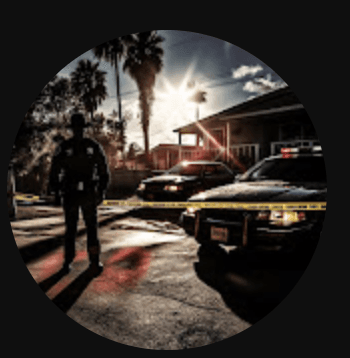
Miami Cocaine Cowboys Fueled 1980s Drug War
During the 1980s, Miami became the epicenter of a massive cocaine influx, orchestrated by the infamous Cocaine Cowboys. Their empire sparked violent clashes, high‑profile trials, and a federal crackdown that changed the city forever.
In the early 1980s, Miami’s sun‑soaked beaches masked a violent underworld where Colombian cartels and local smugglers, known as the Cocaine Cowboys, flooded South Florida with crack cocaine.
The Rise of the Cocaine Empire in Miami-Dade
The influx began when Medellín Cartel traffickers partnered with Miami-based brokers like Griselda Blanco and the so‑called "Cocaine Cowboys" crew. They used speedboats, private jets, and even submarines to move tons of cocaine through the Port of Miami.
Violence, Turf Wars, and the Public Outcry
By 1985, homicide rates in Miami‑Dade County spiked to over 400 murders annually, many linked to drug turf battles. Residents witnessed drive‑by shootings, bombings, and the infamous 1986 Dadeland Mall shootout, prompting a national media frenzy.
Federal Crackdown and High‑Profile Trials
The DEA launched Operation Pisces in 1986, seizing 1,200 kilos of cocaine and arresting key figures, including drug lord Carlos "Coco" Montoya. The 1988 trial of Griselda Blanco in Miami Federal Court resulted in a life sentence, signaling a turning point.
"We are dismantling an empire that has poisoned our streets and our children," declared DEA Chief John R. Smith during a press conference in 1987.
Reforms and the End of an Era
Following the crackdown, Miami instituted stricter port inspections and created the Miami-Dade County Anti‑Drug Task Force. By the early 1990s, cocaine shipments declined sharply, and the city began its recovery.
Key Facts
- Location: Miami, Miami‑Dade County
- Crime Type: Drug Trafficking (Organized crime)
- Key Figures: Griselda Blanco, Carlos Montoya
- Peak Period: 1983‑1989
- Law Enforcement Action: Operation Pisces, 1986
- Current Status: Major conspirators convicted; legacy influences modern drug policy
Lasting Impact on Florida’s Crime Landscape
The Cocaine Cowboys era reshaped Miami’s law‑enforcement tactics, leading to advanced surveillance and inter‑agency cooperation. It also left a cultural imprint, inspiring movies, books, and ongoing debates about drug policy reform in Florida.
This article was generated by AI from publicly reported news sources. Details may be incomplete or subject to change as investigations develop. All individuals are presumed innocent until proven guilty in a court of law. Sources: Miami Herald, DEA Press Releases.