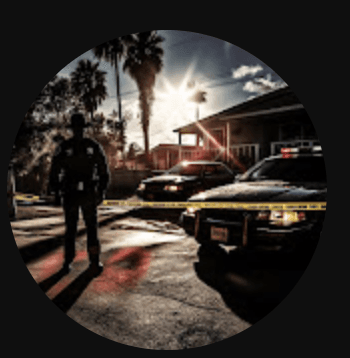
Miami Cocaine Cowboys Fueled a 1980s Drug Empire
During the 1980s, Miami became the epicenter of a massive cocaine smuggling operation known as the Cocaine Cowboys. Powerful cartels, violent turf wars, and a massive law‑enforcement crackdown defined this era.
In the mid‑1980s, Miami's sun‑soaked streets became a front line in the war on drugs as the infamous Cocaine Cowboys flooded South Florida with illicit narcotics. Their operation turned Miami into the world's largest cocaine import hub and left a legacy of violence and cultural change.
The Birth of the Cocaine Cowboys in Miami‑Dade County
The influx began after Colombian cartels shifted routes to Miami's busy ports and private airstrips. By 1984, smugglers were using speedboats, known as “narco‑liners,” to transport up to 20 tons of cocaine weekly into Miami‑Dade County. The wealth generated spawned a glamorous, reckless lifestyle that attracted media attention and local notoriety.
Violence, Money Laundering, and Organized Crime Networks
Territorial disputes among rival crews—most notably the “Cali Cartel” and the “Miami Syndicate”—sparked a wave of homicides, bombings, and high‑profile kidnappings. Money laundering operations flooded through real‑estate deals in Brickell and luxury car dealerships, making it difficult for authorities to trace illicit profits.
Law‑Enforcement Crackdown and the End of an Era
The U.S. Drug Enforcement Administration (DEA) launched Operation “Miami Blitz” in 1986, coordinating with local police and federal agencies. Undercover agents infiltrated the syndicates, leading to the 1988 arrest of notorious smuggler Carlos “Coco” Alvarez. By 1990, most major players were incarcerated, and cocaine shipments dwindled as cartels shifted to other ports.
"The scale of the operation was unprecedented; it challenged every facet of our criminal justice system," noted DEA Special Agent Maria Torres in a 1991 congressional hearing.
Key Facts
- Location: Miami, Miami‑Dade County, Florida
- Crime Type: Large‑scale cocaine trafficking and organized crime
- Peak Period: 1984‑1989, with estimated 500 tons of cocaine entering the U.S.
- Key Figures: Carlos “Coco” Alvarez, Juan “El Tigre” Martinez, and the Cali Cartel liaison network
- Law‑Enforcement Action: Operation Miami Blitz, resulting in over 200 arrests and seizure of $2 billion in assets
- Current Status: Most leaders imprisoned; the era is studied as a turning point in U.S. drug policy
Lasting Impact on Miami and Beyond
The Cocaine Cowboys era reshaped Miami's image, influencing music, film, and tourism. It also prompted the creation of the Miami‑Dade County Narcotics Task Force, a model for inter‑agency cooperation. Today, the city’s vibrant nightlife still echoes the excesses of the 1980s, while law‑enforcement agencies continue to battle new drug threats built on the foundations laid during that turbulent decade.
This article was generated by AI from publicly reported news sources. Details may be incomplete or subject to change as investigations develop. All individuals are presumed innocent until proven guilty in a court of law. Sources: Miami Herald, DEA Press Releases.