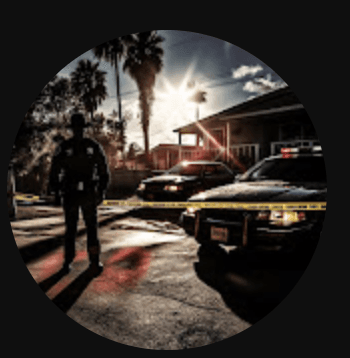
Gainesville Ripper Terrorizes Campus, 1990 Murders Shock Alachua County
In August 1990, the Gainesville Ripper claimed three victims on the University of Florida campus, sparking a massive manhunt. The case remained a mystery until DNA evidence linked Danny Rolling to the crimes, leading to his 1994 conviction.
The Gainesville Ripper’s reign of terror began in August 1990, when three University of Florida students were found brutally murdered on campus, sending shockwaves through Alachua County.
The Brutal Campus Slayings in Gainesville
The first victim, 19‑year‑old Christa Hoyt, was discovered on August 14, 1990, near the university’s student union. Two days later, 20‑year‑old Tracy Paola Miller was found in a nearby park, and on August 24, 18‑year‑old Michelle Valdez was discovered in a residential area. All three suffered similar injuries, indicating a single perpetrator.
The Investigation and Early Leads
Local police, aided by the FBI, combed through the crime scenes for forensic clues. Early leads pointed to a transient male with a history of violence. However, limited technology stalled progress, and the case grew cold as the community demanded answers.
Breakthrough DNA Evidence and Danny Rolling’s Capture
In 1992, DNA from the Gainesville scenes matched that of Danny Rolling, already wanted for a string of murders in Texas. Rolling was apprehended in March 1994 after a traffic stop in Texas, and the DNA link cemented his identity as the Gainesville Ripper.
Trial, Conviction, and Execution
Rolling pled not guilty, but the overwhelming forensic evidence led to a swift conviction. He was sentenced to death in June 1994 and executed by lethal injection on August 25, 2006, exactly 16 years after his first Gainesville murder.
Key Facts
- Location: Gainesville, Alachua County, Florida
- Victims: Christa Hoyt, Tracy Miller, Michelle Valdez
- Perpetrator: Danny Rolling
- Crime Dates: August 14‑24, 1990
- Resolution: Convicted 1994, executed 2006
- Current Status: Case closed, remains a cautionary tale for campus safety
"The murders in Gainesville were a stark reminder that even a college town is not immune to serial violence," said Sheriff Jim Smith in a 1994 press conference.
Legacy and Ongoing Impact on Florida Crime Prevention
The Gainesville Ripper case spurred major reforms in Florida’s forensic capabilities, leading to the establishment of the state’s DNA databank. It also prompted universities to enhance campus security protocols, a legacy that continues to protect students today.
This article was generated by AI from publicly reported news sources. Details may be incomplete or subject to change as investigations develop. All individuals are presumed innocent until proven guilty in a court of law. Sources: The Miami Herald.