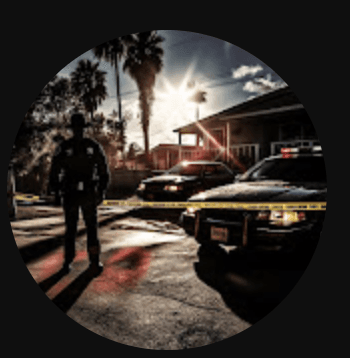
The Miami Cocaine Cowboys Era
In the 1970s and 1980s, Miami, Florida, was a major hub for cocaine trafficking, with organized crime groups, including the Medellin cartel, operating in the city. This article explores the history of the Miami cocaine cowboys era and its impact on the city.
The Miami cocaine cowboys era was a period of significant cocaine trafficking in Miami, Florida, during the 1970s and 1980s. The city's proximity to South America and its extensive port system made it an ideal location for smugglers. The Medellin cartel, led by Pablo Escobar, was one of the most prominent organized crime groups operating in Miami during this time. The cartel's operations involved smuggling large quantities of cocaine into the city, often using violence and intimidation to maintain control. The cocaine cowboys, as they were known, were a group of smugglers and dealers who worked with the cartel to distribute the cocaine throughout the city. The era was marked by violence, corruption, and a significant increase in crime. The police department and federal agencies worked to combat the trafficking, but the cartel's operations were extensive and well-organized. The era came to an end in the late 1980s, as law enforcement efforts increased and the cartel's leaders were arrested or killed. The legacy of the Miami cocaine cowboys era continues to impact the city, with many of the social and economic problems caused by the trafficking still evident today.
This article was generated by AI from publicly reported news sources. Details may be incomplete or subject to change as investigations develop. All individuals are presumed innocent until proven guilty in a court of law. Sources: The Miami Herald, The New York Times.