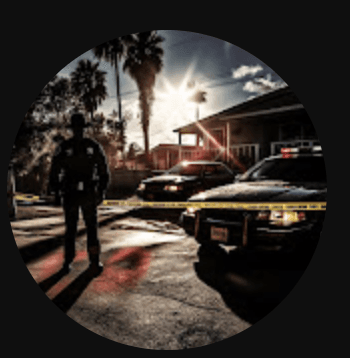
The Gainesville Ripper
In August 1990, the city of Gainesville, Florida, was gripped by fear as a serial killer, known as the Gainesville Ripper, terrorized the community. The killer, later identified as Danny Rolling, claimed five victims in a span of just a few days. This article examines the investigation and trial of the Gainesville Ripper, and the impact of his crimes on the city of Gainesville.
The Gainesville Ripper, also known as Danny Rolling, was a serial killer who terrorized the city of Gainesville, Florida, in August 1990. Over the course of just a few days, Rolling claimed five victims, including two university students, a former university student, and two people who were not affiliated with the university. The investigation into the murders was led by the Gainesville Police Department, with assistance from the Alachua County Sheriff's Office and the FBI. The police were able to link the crimes through forensic evidence, including DNA analysis and eyewitness testimony. Rolling was eventually captured on September 7, 1990, in a campsite near the university. He was subsequently linked to the murders through forensic evidence and confessed to the crimes. Rolling's trial was highly publicized, and he was eventually convicted of the five murders. He was sentenced to death and executed by lethal injection on October 25, 2006. The Gainesville Ripper's crimes had a profound impact on the city of Gainesville, leading to increased security measures and a greater sense of awareness among residents. The case also highlighted the importance of cooperation between law enforcement agencies in solving complex crimes.
This article was generated by AI from publicly reported news sources. Details may be incomplete or subject to change as investigations develop. All individuals are presumed innocent until proven guilty in a court of law. Sources: The Gainesville Sun, The New York Times.