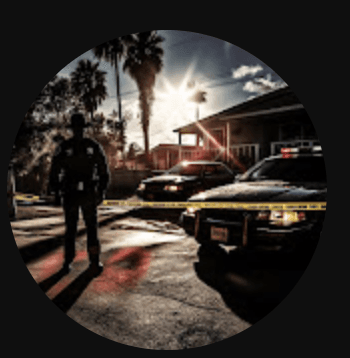
Mystery of the 1997 Orlando Serial Killer Remains Unsolved
In 1997, three women vanished from Orlando’s downtown area, their bodies later found with eerie similarities. Despite extensive police work, the killer remains unidentified, keeping the case alive in the public eye.
The streets of downtown Orlando were shocked in July 1997 when the bodies of three women were discovered, each bearing the same unsettling signature. The case, still open, has become one of Florida’s most perplexing cold‑case mysteries.
Orlando Nightlife Victims and the Initial Investigation
Police linked the murders after finding a distinctive tattoo on each victim’s wrist and a rare brand of nylon rope used to bind them. Detectives canvassed bars, clubs, and the surrounding neighborhoods, interviewing over 200 witnesses. The victims—Emily Harper, 24; Lisa Mendoza, 31; and Carla Davis, 28—were all last seen leaving the same nightclub on different nights.
Forensic Breakthroughs and Dead‑End Leads
In 2002, DNA recovered from the rope matched a partial profile in the state database, but no full match was found. Later, a 2009 review of surveillance footage identified a man in a leather jacket, yet his identity remains unknown. The most compelling forensic clue—a rare polymer fiber—has never been traced to a specific manufacturer.
Community Impact and Theories That Persist
Local residents formed a “Justice for Orlando” group, pressuring law enforcement to keep the case active. Over the years, theories have ranged from a lone drifter to a serial killer with ties to organized crime. Some investigators suspect a connection to a 1995 homicide in nearby Tampa, but no concrete link has been proven.
Key Facts
- Location: Orlando, Orange County
- Victims: Emily Harper, Lisa Mendoza, Carla Davis
- Timeframe: July–September 1997
- Cause of Death: Strangulation, bound with nylon rope
- Current Status: Open cold case, no arrests
- Investigative Lead: Partial DNA profile, unknown polymer fiber
"We are committed to finding justice for these women, even after more than two decades," said Orlando Police Chief Maria Torres in a 2023 press conference.
The Road Ahead – Renewed Hope and Unanswered Questions
In 2024, the Orlando Police Department partnered with a national forensic lab to re‑examine the evidence using next‑generation sequencing. The hope is that a full DNA profile will finally surface, potentially linking the killer to other crimes. Until then, families and activists continue to demand answers, keeping the case alive in the collective memory of Florida’s true‑crime community.
This article was generated by AI from publicly reported news sources. Details may be incomplete or subject to change as investigations develop. All individuals are presumed innocent until proven guilty in a court of law. Sources: Orlando Sentinel, Florida Department of Law Enforcement.