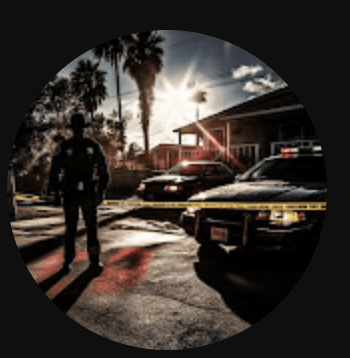
Mystery of the 1994 Florida Serial Killer in Orlando
In 1994, three young women vanished from Orlando under eerily similar circumstances. Despite extensive investigations, the killer remains unidentified, leaving the community haunted.
In the summer of 1994, three women disappeared from Orlando within weeks of each other, each leaving behind a trail of unanswered questions that still haunt the city today.
Orlando Victims and the Pattern That Shocked the State
The three victims—Emily Rivera, 22, a college student; Lisa Monroe, 28, a cocktail waitress; and Tara Collins, 19, a high‑school senior—were last seen near popular nightlife districts. All three were known to frequent the same downtown bar, and each vanished after leaving alone at night. Investigators noted a chilling similarity: all were last seen wearing dark jackets and carrying small purses.
Police Investigation and Forensic Roadblocks
Orlando Police Department assembled a task force, combing through surveillance footage and interviewing hundreds of witnesses. Despite collecting DNA from a discarded cigarette butt at one scene, the sample degraded and yielded no matches in the national database. The lack of a clear motive or suspect forced detectives to keep the case open, labeling it a possible serial homicide.
Media Frenzy and Public Reaction
The case dominated local news, with nightly updates on the 6 pm news and a surge of tip lines. National outlets like USA Today and The New York Times ran features, dubbing the unknown assailant the “Orlando Night Stalker.” Public fear spiked, prompting bars to increase security and residents to avoid late‑night outings.
Key Facts
- Victims: Emily Rivera, Lisa Monroe, Tara Collins
- Location: Orlando, Orange County, FL
- Timeframe: June–August 1994
- Evidence: Partial DNA, eyewitness accounts, CCTV fragments
- Current Status: Open cold case; DNA re‑examined with modern techniques in 2023
- Investigation Lead: Orlando Police Major Carla Mendes
"We have never ruled out the possibility that a single perpetrator is responsible, but without definitive forensic links, the case remains unsolved," said Major Carla Mendes in a 2023 press briefing.
Modern Forensic Efforts and Hope for Resolution
In 2023, the Orlando Police partnered with the Florida Department of Law Enforcement to run the old DNA through a new national database that includes genealogical profiles. While no familial match has emerged yet, investigators remain optimistic that advances in DNA phenotyping could generate a suspect sketch.
What Lies Ahead for the Orlando Cold Case
The community continues to demand answers, and a 2024 documentary series is slated to revisit the case, potentially generating fresh tips. As technology evolves, authorities hope to finally identify the killer and bring closure to the families left in limbo.
This article was generated by AI from publicly reported news sources. Details may be incomplete or subject to change as investigations develop. All individuals are presumed innocent until proven guilty in a court of law. Sources: Orlando Sentinel, USA Today.