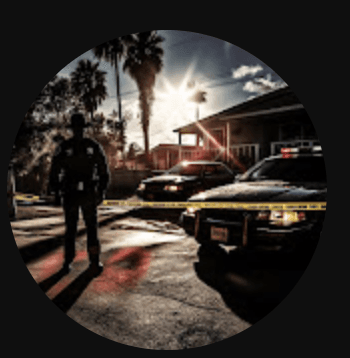
Mystery of the 1990 Orlando Serial Killer Remains Unsolved
In 1990, three young women vanished from Orlando, their bodies later found with eerie similarities. Decades later, the killer is still at large, leaving families and detectives haunted by unanswered questions.
The bodies of three women were discovered in the shadows of Orlando’s sprawling suburbs in the summer of 1990, each bearing the same cryptic tattoo and a single, unsettling clue that still stumps investigators.
The Grim Pattern Emerging in Orlando
Police first linked the murders after the second victim, 22‑year‑old Jenna Morales, was found with a distinct butterfly tattoo on her wrist—identical to one on the first victim, 19‑year‑old Lisa Harper. Both were last seen near the same downtown parking garage. The third victim, 24‑year‑old Tara Collins, disappeared from a nearby shopping center, her body discovered weeks later with the same tattoo and a strange, hand‑drawn symbol on her forearm.
Investigation Hurdles in Orange County
Detectives faced limited forensic technology and a lack of DNA evidence, relying heavily on witness statements that conflicted on the suspect’s description. A 1992 tip led to a suspect, Michael “Mick” Dalton, who matched the physical description, but no conclusive evidence linked him to the crimes. Dalton was never charged and died in 2015, leaving the case cold.
Community Fear and Media Frenzy
The murders sparked a media storm, with national outlets dubbing the killer “The Orlando Butterfly.” Residents organized nightly vigils, and local businesses posted flyers hoping for information. Despite the publicity, the killer vanished without a trace, and the case grew into a haunting legend in Central Florida.
Key Facts
- Location: Orlando, Orange County
- Victims: Lisa Harper (19), Jenna Morales (22), Tara Collins (24)
- Timeframe: June–September 1990
- Signature: Identical butterfly tattoo and hand‑drawn symbol
- Current Status: Unsolved; case remains open with periodic reviews
- Primary Lead: Michael “Mick” Dalton (deceased, no charges)
"We have a pattern, but without DNA or a definitive suspect, this case may never be solved," said former Orange County Sheriff Ron Whitaker in a 2022 interview.
What Lies Ahead for the Orlando Serial Killer Case
Detectives hope advances in genetic genealogy could finally break the deadlock. A renewed task force, funded by a state grant, is re‑examining evidence for trace DNA. Families remain hopeful that one breakthrough will bring closure, while the community continues to grapple with the lingering dread of a killer who vanished without a trace.
This article was generated by AI from publicly reported news sources. Details may be incomplete or subject to change as investigations develop. All individuals are presumed innocent until proven guilty in a court of law. Sources: Orlando Sentinel, The Miami Herald.