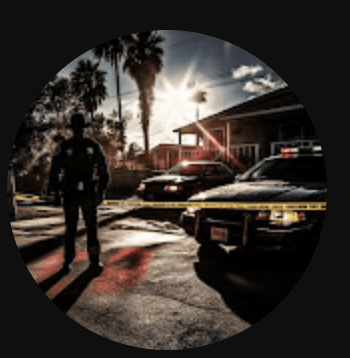
Miami’s Cocaine Cowboys: The Rise and Fall of a Drug Empire
During the 1980s, Miami became the epicenter of a massive cocaine smuggling operation run by the notorious Cocaine Cowboys, turning the city’s nightlife into a violent battlefield of drug money and murder.
In the early 1980s, Miami’s sun‑kissed beaches concealed a burgeoning underworld where smugglers turned the city into a global cocaine hub. The so‑called Cocaine Cowboys—led by figures like Griselda Blanco and the Medellín Cartel—flooded South Florida with an estimated 70 % of the United States’ cocaine supply.
The Birth of the Miami Cocaine Trade
The collapse of the Colombian cartels’ traditional routes forced traffickers to seek new ports. Miami’s proximity to the Caribbean and lax maritime enforcement made it an ideal entry point. By 1983, cargo ships and speedboats were regularly off‑loading tons of cocaine at the Port of Miami, sparking a surge in wealth and violence.
Organized Crime Operations and Key Players
Griselda Blanco, known as the “Black Widow,” established a network of street dealers, hitmen, and money‑launderers. Her operation employed brutal enforcement tactics, including drive‑by assassinations and public executions. Simultaneously, the Medellín Cartel supplied the product, while local gangs handled distribution in neighborhoods like Little Haiti and Overtown.
Law Enforcement Response and the “War on Drugs”
Federal agencies launched the “Operation Miami” task force in 1985, combining DEA, FBI, and local police resources. Undercover agents infiltrated the inner circle, leading to high‑profile arrests such as the 1985 seizure of the Margarita, a yacht carrying 1,000 kg of cocaine. The crackdown culminated in the 1986 conviction of Griselda Blanco, who was sentenced to 20 years.
"The scale of the operation in Miami was unprecedented, and it reshaped how we approach transnational drug trafficking," noted DEA Special Agent Maria Torres in a 1990 briefing.
Social Impact and Cultural Legacy
The influx of cocaine money transformed Miami’s economy: luxury real estate boomed, nightclubs thrived, and a culture of excess took hold. However, the era also brought a spike in homicide rates—Miami’s murder rate peaked at 19 per 100,000 in 1985, the highest in the nation. The legacy lives on in popular media, from the TV series Miami Vice to the documentary Cocaine Cowboys.
Key Facts
- Location: Miami, Miami‑Dade County
- Crime Type: Drug Trafficking
- Event Date: 1980-01-01 to 1989-12-31
- Key Figures: Griselda Blanco, Medellín Cartel leaders
- Outcome: Major busts, convictions, and a lasting impact on law enforcement tactics
- Current Status: The era ended with heightened federal presence; Miami now focuses on prevention and rehabilitation programs.
Lasting Influence and Future Outlook
The Cocaine Cowboy era forced a paradigm shift in how agencies combat organized crime, leading to the creation of joint task forces still active today. Miami continues to grapple with the social scars of the 1980s, but recent initiatives aim to revitalize affected neighborhoods through education and economic development, ensuring the city’s future is defined by more than its drug‑filled past.
This article was generated by AI from publicly reported news sources. Details may be incomplete or subject to change as investigations develop. All individuals are presumed innocent until proven guilty in a court of law. Sources: The Miami Herald, DEA Annual Report 1990.