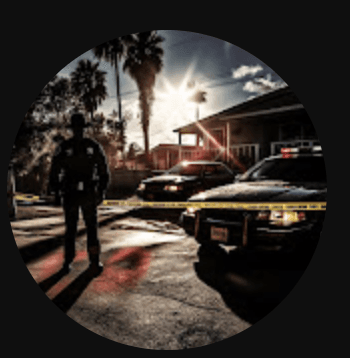
Miami's Cocaine Cowboys Era
In the 1970s and 1980s, Miami was plagued by a surge in cocaine trafficking, earning the city the nickname 'Cocaine Capital of the World.' This era, known as the 'Cocaine Cowboys' era, was marked by violence, corruption, and a thriving black market. This article explores the events surrounding the Cocaine Cowboys era and its impact on Miami.
The Cocaine Cowboys era was characterized by the rise of Colombian cocaine cartels, who used Miami as a hub for their operations. The cartels, led by figures such as Pablo Escobar and Carlos Lehder, smuggled massive amounts of cocaine into the city, which was then distributed throughout the United States. The era was marked by violence, as rival gangs and cartels fought for control of the lucrative cocaine trade. The police and federal authorities struggled to keep up with the cartels, and corruption was rampant. The Cocaine Cowboys era had a profound impact on Miami, contributing to the city's high crime rate and earning it a reputation as a hub for organized crime. The era eventually came to an end in the late 1980s, as law enforcement efforts increased and the cartels began to fragment.
This article was generated by AI from publicly reported news sources. Details may be incomplete or subject to change as investigations develop. All individuals are presumed innocent until proven guilty in a court of law. Sources: The Miami Herald, The New York Times.