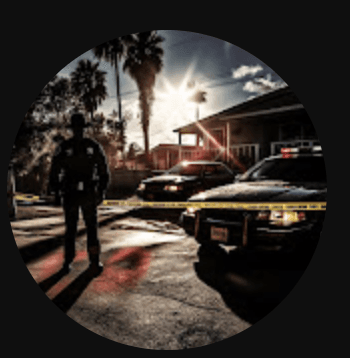
Miami's Cocaine Cowboys Era
In the 1970s and 1980s, Miami was gripped by a wave of violence and crime, as the city became a major hub for the cocaine trade. This era, known as the Cocaine Cowboys era, saw the rise of notorious figures such as Griselda Blanco and Pablo Escobar, who would go on to dominate the city's underworld. This article explores the history of the Cocaine Cowboys era and its impact on Miami.
The Cocaine Cowboys era was a period of time in Miami's history marked by violence, crime, and corruption. The city's proximity to South America and its busy ports made it an ideal location for the importation and distribution of cocaine. As the demand for the drug grew, so did the power and influence of the city's cocaine traffickers. Notorious figures such as Griselda Blanco and Pablo Escobar rose to prominence, using their wealth and violence to dominate the city's underworld. The era was marked by a series of brutal murders, kidnappings, and bombings, as rival gangs and law enforcement agencies clashed. The violence was so intense that it earned Miami the nickname 'Murder Capital of the United States.' The Cocaine Cowboys era also saw the rise of corruption within law enforcement agencies, with many officers being bribed or coerced into working with the traffickers. The era came to an end in the late 1980s, as law enforcement agencies cracked down on the traffickers and the demand for cocaine began to decline. However, the legacy of the Cocaine Cowboys era continues to be felt in Miami, with many of the city's residents still living with the consequences of the violence and corruption that marked that period.
This article was generated by AI from publicly reported news sources. Details may be incomplete or subject to change as investigations develop. All individuals are presumed innocent until proven guilty in a court of law. Sources: The Miami Herald.