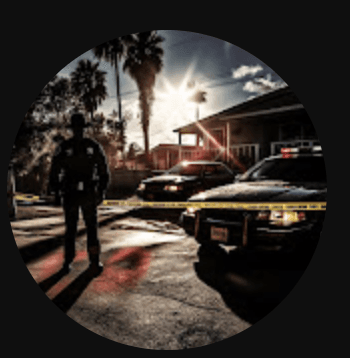
Miami's Cocaine Cowboys Era
In the 1970s and 1980s, Miami was plagued by a cocaine epidemic, fueled by the rise of powerful drug cartels. This era, known as the Cocaine Cowboys era, was marked by violence, corruption, and widespread drug trafficking. This article delves into the history of the Cocaine Cowboys and their impact on Miami.
The Cocaine Cowboys era in Miami was characterized by a surge in cocaine trafficking, led by powerful cartels such as the Medellin cartel. The cartels, led by figures like Pablo Escobar and Carlos Lehder, used Miami as a major hub for their operations, taking advantage of the city's proximity to the Caribbean and its lax law enforcement. The violence and corruption that accompanied the cocaine trade had a devastating impact on Miami, with murders, kidnappings, and bombings becoming commonplace. The city's law enforcement agencies were often outgunned and outmaneuvered by the cartels, leading to a sense of chaos and disorder. However, in the late 1980s, a concerted effort by federal and local authorities began to dismantle the cartels' operations, leading to the arrest and conviction of several high-ranking members. The legacy of the Cocaine Cowboys era continues to be felt in Miami, with the city still grappling with the consequences of the cocaine epidemic.
This article was generated by AI from publicly reported news sources. Details may be incomplete or subject to change as investigations develop. All individuals are presumed innocent until proven guilty in a court of law. Sources: The Miami Herald, New York Magazine.