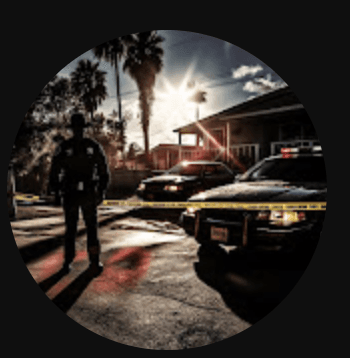
Miami's Cocaine Cowboys Era
In the 1970s and 1980s, the city of Miami was plagued by a surge in cocaine trafficking, led by infamous figures such as Griselda Blanco and Pablo Escobar. This era, known as the 'Cocaine Cowboys' period, was marked by violence, corruption, and lawlessness. This article explores the events surrounding the Cocaine Cowboys era, and the impact it had on the city of Miami.
The Cocaine Cowboys era was a time of great turmoil in the city of Miami, as cocaine trafficking and violence reached unprecedented levels. At the center of the chaos were figures such as Griselda Blanco, known as the 'Queen of Cocaine,' and Pablo Escobar, the notorious Colombian cartel leader. These individuals, along with others, helped to establish Miami as a major hub for cocaine trafficking, with the city's ports and airports serving as key entry points for the drug. The violence and corruption that accompanied the cocaine trade had a profound impact on the city of Miami, with homicides and other crimes reaching record levels. However, it was ultimately the efforts of law enforcement, combined with the collapse of the Medellin cartel, that led to the decline of the Cocaine Cowboys era. Today, the legacy of the Cocaine Cowboys continues to be felt in Miami, with many of the city's neighborhoods still bearing the scars of the violence and neglect of that era. However, the city has also made significant progress in recent years, with efforts to revitalize and rebuild many of the areas that were hardest hit by the cocaine trade.
This article was generated by AI from publicly reported news sources. Details may be incomplete or subject to change as investigations develop. All individuals are presumed innocent until proven guilty in a court of law. Sources: The Miami Herald.