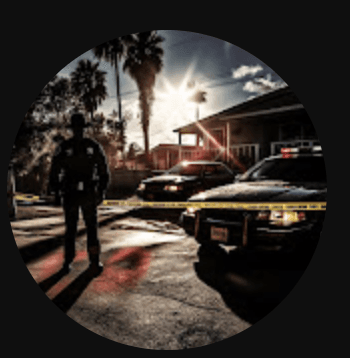
Miami's Cocaine Cowboys Era
In the 1970s and 1980s, Miami was plagued by a violent and lucrative cocaine trade, led by figures such as Griselda Blanco and Pablo Escobar. This article explores the history of the cocaine cowboys era in Miami, and the impact it had on the city and its people. From the streets of Little Havana to the mansions of Coral Gables, the cocaine trade left a lasting legacy in Miami, one that would take decades to recover from.
The cocaine cowboys era in Miami was a time of unprecedented violence and lawlessness, as rival cartels and gangs fought for control of the lucrative cocaine trade. At the center of it all was Griselda Blanco, a ruthless and cunning Colombian cartel leader who would stop at nothing to dominate the market. Blanco's organization was responsible for countless murders, kidnappings, and other crimes, and her reputation as a ruthless and feared leader earned her the nickname 'The Queen of Cocaine.' But Blanco was not the only major player in the Miami cocaine trade. Pablo Escobar, the notorious Colombian cartel leader, also had a significant presence in the city, and his organization was responsible for many of the same crimes as Blanco's. The cocaine cowboys era in Miami was marked by a series of brutal and high-profile murders, including the infamous 'Dadeland Mall shooting,' in which two men were gunned down in broad daylight. The era was also marked by widespread corruption, as law enforcement officials and politicians were bribed or intimidated into turning a blind eye to the cocaine trade. It would take a concerted effort by law enforcement, led by the DEA and the FBI, to finally bring the cocaine cowboys era to an end, and to restore order to the streets of Miami. The legacy of the cocaine cowboys era can still be seen in Miami today, in the form of increased gang activity and violence, and in the ongoing struggle to combat the opioid epidemic.
This article was generated by AI from publicly reported news sources. Details may be incomplete or subject to change as investigations develop. All individuals are presumed innocent until proven guilty in a court of law. Sources: Miami Herald.