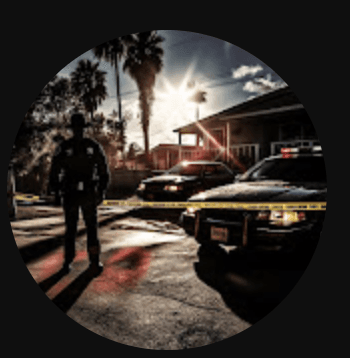
Miami's Cocaine Cowboys Era
In the 1970s and 1980s, Miami was plagued by a wave of violence and crime, as the city became a major hub for cocaine trafficking. This era, known as the Cocaine Cowboys era, was marked by brutal killings, kidnappings, and extortion, as rival gangs and cartels fought for control of the lucrative trade. This article explores the history of the Cocaine Cowboys era and its impact on the city of Miami.
The Cocaine Cowboys era in Miami was a time of great violence and upheaval, as the city became a major center for cocaine trafficking. The era was marked by the rise of powerful gangs and cartels, including the Medellin cartel, which was led by Pablo Escobar. These groups used brutal tactics, including murder, kidnapping, and extortion, to maintain control of the trade and eliminate their rivals. One of the most notorious figures of the Cocaine Cowboys era was Griselda Blanco, a Colombian-American cocaine trafficker who was known as the 'Queen of Cocaine.' Blanco was involved in numerous violent incidents, including the murder of several rivals and the kidnapping of a DEA agent. The Cocaine Cowboys era had a profound impact on the city of Miami, leading to increased violence, corruption, and social unrest. However, in the late 1980s and early 1990s, law enforcement efforts began to pay off, and many of the major players in the cocaine trade were arrested and convicted. Today, the legacy of the Cocaine Cowboys era serves as a reminder of the dangers of organized crime and the importance of effective law enforcement.
This article was generated by AI from publicly reported news sources. Details may be incomplete or subject to change as investigations develop. All individuals are presumed innocent until proven guilty in a court of law. Sources: The Miami Herald.