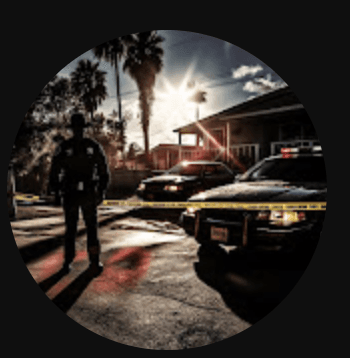
Miami's Cocaine Cowboys Era
During the 1970s and 1980s, Miami was plagued by a violent and lucrative cocaine trade, earning the city the nickname 'Cocaine Capital of the World.' This era, known as the 'Cocaine Cowboys' period, was marked by brutal gang wars, corrupt law enforcement, and a thriving black market. This article explores the rise and fall of the cocaine trade in Miami, highlighting key figures and events that defined the era.
The cocaine trade in Miami during the 1970s and 1980s was a complex and multifaceted phenomenon, involving a wide range of players, from street-level dealers to high-ranking cartel members. At the center of the trade was the Medellín cartel, led by Pablo Escobar, which supplied much of the cocaine that flooded Miami's streets. The city's proximity to the Caribbean and its extensive port facilities made it an ideal hub for the importation and distribution of cocaine. As the trade grew, so did the violence, with rival gangs and cartels engaging in brutal turf wars. One of the most notorious figures of the era was Griselda Blanco, a Colombian-American cocaine queenpin who was known for her ruthlessness and cunning. Blanco's organization was responsible for a significant portion of the cocaine that entered the United States during the 1970s and 1980s, and she became a legendary figure in the world of organized crime. The cocaine trade in Miami also had a significant impact on the city's law enforcement, with many officers either corrupt or overwhelmed by the scale of the problem. It wasn't until the 1980s, with the establishment of the Miami-Dade Police Department's narcotics unit, that the city began to make significant progress in combating the trade. The unit's efforts, combined with the eventual collapse of the Medellín cartel, helped to bring an end to the 'Cocaine Cowboys' era, but the legacy of the trade continues to be felt in Miami to this day.
This article was generated by AI from publicly reported news sources. Details may be incomplete or subject to change as investigations develop. All individuals are presumed innocent until proven guilty in a court of law. Sources: The Miami Herald.