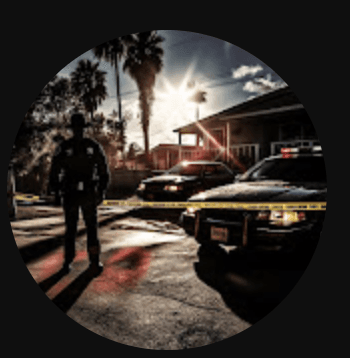
Miami's Cocaine Cowboys Era
In the 1970s and 1980s, Miami was plagued by a violent and lucrative cocaine trade, earning the city the nickname 'Cocaine Capital of the World.' The era, which became known as the 'Cocaine Cowboys' period, was marked by brutal violence, corruption, and lawlessness. This article explores the history of the Cocaine Cowboys era and the impact it had on the city of Miami.
The Cocaine Cowboys era in Miami began in the early 1970s, when Colombian cocaine cartels began smuggling large quantities of the drug into the city. The trade was fueled by the demand for cocaine in the United States, particularly among the wealthy and glamorous crowd that frequented Miami's nightclubs and bars. As the trade grew, so did the violence and corruption that accompanied it. Rival gangs and cartels clashed in brutal turf wars, while law enforcement officials were often bribed or intimidated into turning a blind eye. The era was marked by a series of high-profile murders, including the killing of Colombian cartel leader Griselda Blanco's husband, Carlos Trujillo. The violence and lawlessness of the Cocaine Cowboys era had a profound impact on the city of Miami, with many residents living in fear of the drug lords and their henchmen. However, in the late 1980s, a crackdown by law enforcement agencies, including the DEA and the FBI, began to disrupt the cocaine trade and bring many of the major players to justice. The era came to an end in the early 1990s, when many of the key figures were either killed or imprisoned. The legacy of the Cocaine Cowboys era continues to be felt in Miami, with many of the city's residents still living with the scars of the violence and corruption that characterized that period.
This article was generated by AI from publicly reported news sources. Details may be incomplete or subject to change as investigations develop. All individuals are presumed innocent until proven guilty in a court of law. Sources: The Miami Herald.