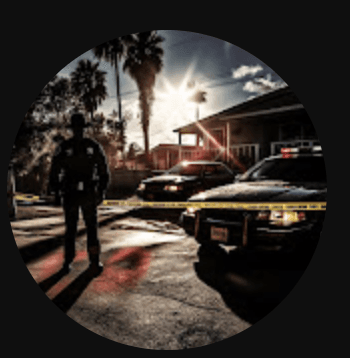
Miami's Cocaine Cowboys Era
In the 1970s and 1980s, Miami was plagued by a violent cocaine trade, led by notorious figures such as Griselda Blanco and Pablo Escobar. This article explores the history of the cocaine trade in Miami and the impact it had on the city.
The cocaine trade in Miami, which peaked in the 1970s and 1980s, was a highly lucrative and violent business. The city's proximity to South America and its busy port made it an ideal location for smugglers, who brought in massive quantities of cocaine from countries such as Colombia and Peru. The trade was dominated by notorious figures such as Griselda Blanco, known as the 'Queen of Cocaine,' and Pablo Escobar, the leader of the Medellin cartel. The violence associated with the cocaine trade had a devastating impact on Miami, with murder rates soaring and the city earning the nickname 'Murder Capital of the United States.' The trade also led to widespread corruption, with some law enforcement officials and politicians accepting bribes from smugglers. This article examines the history of the cocaine trade in Miami, including the rise of Griselda Blanco and Pablo Escobar, and the impact it had on the city. The era of the cocaine cowboys was a dark chapter in Miami's history, but it also led to significant changes in the way law enforcement approached the drug trade, with the creation of specialized units and task forces to combat smuggling.
This article was generated by AI from publicly reported news sources. Details may be incomplete or subject to change as investigations develop. All individuals are presumed innocent until proven guilty in a court of law. Sources: The Miami Herald.