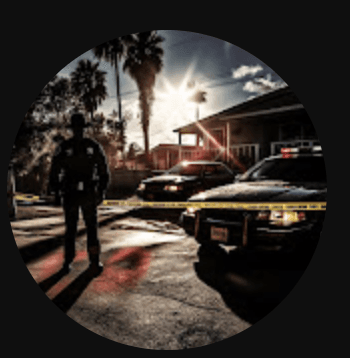
Miami's Cocaine Cowboys Era
In the 1970s and 1980s, Miami was gripped by a wave of violence and corruption as the city became a major hub for the cocaine trade. The era, which would come to be known as the Cocaine Cowboys era, was marked by brutal murders, kidnappings, and gang wars, and it would have a lasting impact on the city and the state of Florida. This article explores the details of the Cocaine Cowboys era and the impact it had on Miami and the state.
The Cocaine Cowboys era began in the 1970s, as Miami became a major hub for the cocaine trade. The city's proximity to South America and its busy ports made it an ideal location for smugglers, and the city quickly became flooded with cocaine. As the trade grew, so did the violence and corruption, with gangs and cartels competing for control of the market. The era was marked by brutal murders, kidnappings, and gang wars, and it would eventually lead to the collapse of several major cartels and the arrest of numerous high-ranking officials. One of the most notorious figures of the era was Griselda Blanco, a Colombian cocaine queenpin who was known for her ruthlessness and cunning. Blanco would eventually be arrested and convicted of multiple crimes, but her legacy would live on as a symbol of the era's excesses and violence. This article examines the details of the Cocaine Cowboys era, including the rise and fall of the major cartels and the impact of the era on the city of Miami and the state of Florida. The era serves as a reminder of the dangers of organized crime and the importance of law enforcement in combating such activities.
This article was generated by AI from publicly reported news sources. Details may be incomplete or subject to change as investigations develop. All individuals are presumed innocent until proven guilty in a court of law. Sources: The Miami Herald, The New York Times.