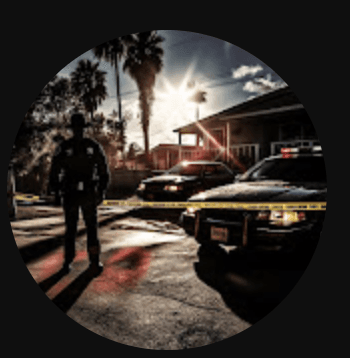
Miami's Cocaine Cowboys Era
In the 1970s and 1980s, Miami was plagued by a wave of violent crime and corruption, as the city became a major hub for the cocaine trade. This era, known as the 'Cocaine Cowboys' era, was marked by brutal gang wars, corrupt law enforcement, and a general sense of chaos and disorder. This article explores the history of the Cocaine Cowboys era and its impact on the city of Miami.
The Cocaine Cowboys era in Miami was a period of time marked by unprecedented levels of violence and corruption. The city had become a major hub for the cocaine trade, with huge shipments of the drug arriving from Colombia and other South American countries. The trade was controlled by powerful cartels, who used violence and intimidation to maintain their grip on the city. The most notorious of these cartels was the Medellin cartel, led by the infamous Pablo Escobar. The cartel's operatives in Miami, including figures such as Griselda Blanco and Alfonso 'Al' Carracino, were responsible for a wave of brutal gang wars, as they fought for control of the city's cocaine trade. The violence was often indiscriminate, with innocent bystanders caught in the crossfire. The era was also marked by widespread corruption, with many law enforcement officials and politicians on the cartel's payroll. The corruption went all the way to the top, with even the mayor of Miami, Maurice Ferré, being accused of taking bribes from the cartel. The Cocaine Cowboys era came to an end in the late 1980s, as law enforcement efforts began to take their toll on the cartels. Many of the major figures of the era, including Griselda Blanco and Alfonso Carracino, were arrested and convicted of their crimes. The era had a lasting impact on the city of Miami, contributing to a general sense of chaos and disorder that would take years to overcome. However, it also led to significant reforms in law enforcement and government, as efforts were made to root out corruption and improve the city's safety and security.
This article was generated by AI from publicly reported news sources. Details may be incomplete or subject to change as investigations develop. All individuals are presumed innocent until proven guilty in a court of law. Sources: The Miami Herald.