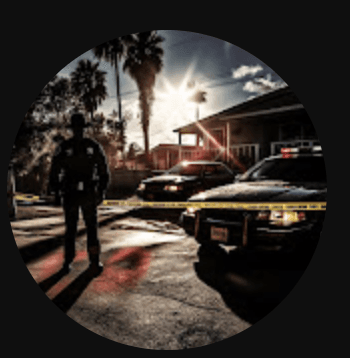
Miami's Cocaine Cowboys Era
In the 1970s and 1980s, Miami was plagued by a violent and lucrative cocaine trade, earning the city the nickname 'Cocaine Capital of the World.' This era, known as the Cocaine Cowboys era, was marked by brutal violence, corruption, and widespread addiction. This article examines the history of the Cocaine Cowboys era and its impact on the city of Miami.
The Cocaine Cowboys era was a dark period in Miami's history, marked by the rise of powerful cocaine cartels and the resulting violence and corruption. The city's proximity to South America and its busy port made it an ideal location for cocaine smuggling, and soon the city was awash in the lucrative drug. The cocaine trade was controlled by a number of powerful cartels, including the Medellín cartel, which was led by the infamous Pablo Escobar. The cartels used violence and intimidation to maintain their control over the trade, and soon the city was plagued by brutal murders, kidnappings, and bombings. The law enforcement response to the cocaine trade was often inadequate, with many officers and politicians corrupted by the cartels. The impact of the Cocaine Cowboys era can still be felt today, with many in the city continuing to struggle with addiction and the legacy of violence. In the years following the era, the city of Miami has implemented numerous initiatives aimed at reducing crime and improving community safety, including increased police presence and community outreach programs. The legacy of the Cocaine Cowboys era serves as a reminder of the dangers of unchecked crime and corruption.
This article was generated by AI from publicly reported news sources. Details may be incomplete or subject to change as investigations develop. All individuals are presumed innocent until proven guilty in a court of law. Sources: The Miami Herald.