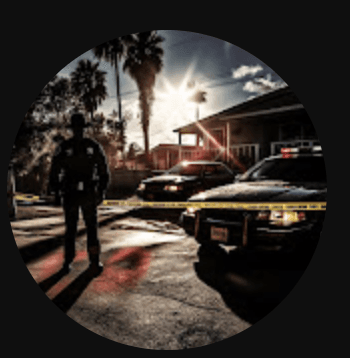
Miami's Cocaine Cowboys Era
In the 1970s and 1980s, Miami, Florida, was a hub for cocaine trafficking, with organized crime groups, including the Medellín cartel, operating in the city. The era, known as the Cocaine Cowboys era, was marked by violence, corruption, and widespread drug use. This article explores the history of the Cocaine Cowboys era and the law enforcement efforts to bring it to an end.
The Cocaine Cowboys era in Miami, Florida, was a time of unprecedented violence and corruption, as organized crime groups, including the Medellín cartel, dominated the city's cocaine trade. The era began in the 1970s, as Colombian cartels, led by figures such as Pablo Escobar, began to establish themselves in Miami. The city's proximity to the Caribbean and its extensive port facilities made it an ideal location for cocaine smuggling. As the cocaine trade grew, so did the violence, with rival gangs and cartels fighting for control of the market. The city's law enforcement agencies were often overwhelmed, and corruption was rampant, with some officers and officials accepting bribes from the cartels. The Cocaine Cowboys era was marked by a series of high-profile crimes, including the murder of federal agents and the bombing of a newspaper office. In the late 1980s, law enforcement efforts began to pay off, as the FBI and the DEA launched a series of investigations and raids targeting the cartels. The Medellín cartel was eventually dismantled, and many of its leaders were arrested or killed. The Cocaine Cowboys era serves as a reminder of the dangers of organized crime and the importance of effective law enforcement in combating it.
This article was generated by AI from publicly reported news sources. Details may be incomplete or subject to change as investigations develop. All individuals are presumed innocent until proven guilty in a court of law. Sources: The Miami Herald, The New York Times.