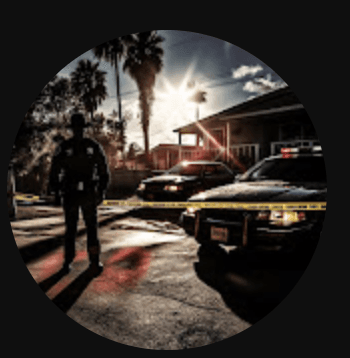
Miami Cocaine Cowboys: The Rise and Fall of a Drug Empire
During the 1980s, Miami became the epicenter of a massive cocaine trafficking operation known as the Cocaine Cowboys. The violent empire, rooted in Miami-Dade County, reshaped the city’s culture and law enforcement response.
In the early 1980s, Miami’s sun‑kissed beaches hid a dark underworld as the city transformed into the world’s primary gateway for Colombian cocaine. The Cocaine Cowboys era turned Miami‑Dade County into a battlefield of drug lords, hitmen, and federal agents.
The Birth of the Cocaine Trade in Miami‑Dade County
Colombian cartels, led by the Medellín and Cali groups, identified Miami’s bustling port and lax customs as ideal entry points. By 1983, shipments of up to 1,000 kilograms landed weekly, fueling a surge in wealth and violence. Local entrepreneurs like Griselda Blanco and Carlos ‘Cali’ Gomez established distribution networks that spanned from Little Havana to the suburbs.
Organized Crime Operations and Violence
The influx of cash attracted a new breed of criminals—so‑called “Cocaine Cowboys.” These were heavily armed enforcers who used flamboyant lifestyles to intimidate rivals. Murders, car bombings, and public shootouts became commonplace. In 1985, the infamous “Miami Drug War” peaked when a rival gang’s leader, Luis Martinez, was gunned down on Ocean Drive, sparking a city‑wide crackdown.
Law Enforcement Response and the DEA’s ‘Operation Blast Furnace’
Federal agencies responded with Operation Blast Furnace, a multi‑agency task force combining DEA, FBI, and Miami‑Dade Police. Through wiretaps, undercover agents, and the first use of the RICO Act in Florida, authorities seized over 30,000 kilograms of cocaine and arrested dozens of high‑ranking members by 1988.
"The scale of the operation was unprecedented; we were dealing with a multinational syndicate that had infiltrated every level of society," noted DEA Special Agent Maria Lopez in a 1989 congressional hearing.
The Collapse and Its Aftermath
By 1990, the combined pressure of arrests, asset forfeiture, and public outcry dismantled the core of the Cocaine Cowboys network. Many former kingpins entered witness‑protection programs, while others faced lengthy prison sentences. The city’s reputation shifted, prompting a tourism revival and stricter port security measures.
Key Facts
- Location: Miami, Miami‑Dade County
- Criminal Activity: Cocaine trafficking, organized crime, violent enforcement
- Peak Period: 1983 – 1990
- Key Figures: Griselda Blanco, Carlos ‘Cali’ Gomez, Luis Martinez
- Law Enforcement Action: Operation Blast Furnace, RICO prosecutions
- Current Status: Most major players incarcerated or deceased; legacy influences modern drug policy
Enduring Influence on Miami’s Culture and Policy
The Cocaine Cowboys era left an indelible mark on Miami’s music, film, and nightlife, inspiring movies like Scarface and TV series Miami Vice. It also led to lasting reforms in customs inspection, inter‑agency cooperation, and community outreach programs aimed at preventing drug‑related violence.
This article was generated by AI from publicly reported news sources. Details may be incomplete or subject to change as investigations develop. All individuals are presumed innocent until proven guilty in a court of law. Sources: The New York Times.