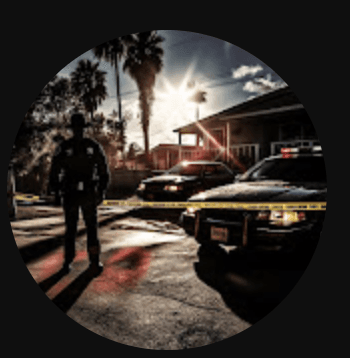
Miami Cocaine Cowboys Era Brought Violence
The cocaine cowboys era in Miami, led by figures like Griselda Blanco and Pablo Escobar, was marked by violence and lawlessness. The period, which spanned the 1970s and 1980s, saw a surge in cocaine trafficking and related crimes, including murder and extortion. **The era's impact** on Miami's communities was devastating, with many innocent people caught in the crossfire.
In the 1970s and 1980s, Miami was in the grip of the cocaine cowboys era, a period of unprecedented violence and lawlessness. At the center of the chaos were figures like Griselda Blanco, known as the 'Queen of Cocaine,' and Pablo Escobar, the notorious Colombian drug lord. According to reports from the Miami-Dade Police Department, the cocaine trade was booming, with huge shipments of the drug coming into the city every day.
Cocaine Trafficking in Miami
The cocaine cowboys era was marked by a surge in cocaine trafficking, with the city of Miami becoming a major hub for the trade. The violence that accompanied the trade was staggering, with murders, extortions, and kidnappings becoming commonplace. Authorities were struggling to keep up with the scale of the problem, and it seemed that the cocaine cowboys were always one step ahead. The level of violence was shocking, with bodies turning up in alleys and on street corners, often with signs of torture or mutilation.
Key Facts
- Location: Miami, Miami-Dade County
- Figures: Griselda Blanco, Pablo Escobar
- Crimes: Cocaine trafficking, murder, extortion, kidnapping
- Current Status: Griselda Blanco was assassinated in 2012; Pablo Escobar was killed in a shootout with police in 1993
- Investigation: The cocaine cowboys era was marked by a series of high-profile investigations and arrests, including the indictment of several top figures in the cocaine trade
'The cocaine cowboys era was a dark time for Miami,' said former Miami-Dade Mayor, Alex Penelas. 'It's a testament to the strength and resilience of our community that we were able to come through it and rebuild.'
Aftermath and Rebuilding
The cocaine cowboys era had a profound impact on the city of Miami, with many communities devastated by the violence and lawlessness. However, in the years that followed, the city began to rebuild and recover. New community programs and initiatives were launched, aimed at reducing crime and improving quality of life. Today, Miami is a thriving and vibrant city, with a strong sense of community and a renewed focus on public safety.
Legacy of the Cocaine Cowboys
The legacy of the cocaine cowboys era can still be seen in Miami today, with many of the city's communities still bearing the scars of the violence and lawlessness. However, the city has also learned from the experience, with a renewed focus on community policing and crime prevention. The story of the cocaine cowboys serves as a reminder of the dangers of unchecked crime and the importance of community resilience and determination.
This article was generated by AI from publicly reported news sources. Details may be incomplete or subject to change as investigations develop. All individuals are presumed innocent until proven guilty in a court of law. Sources: Miami Herald.